The Origins of the MonsterMax Graphic
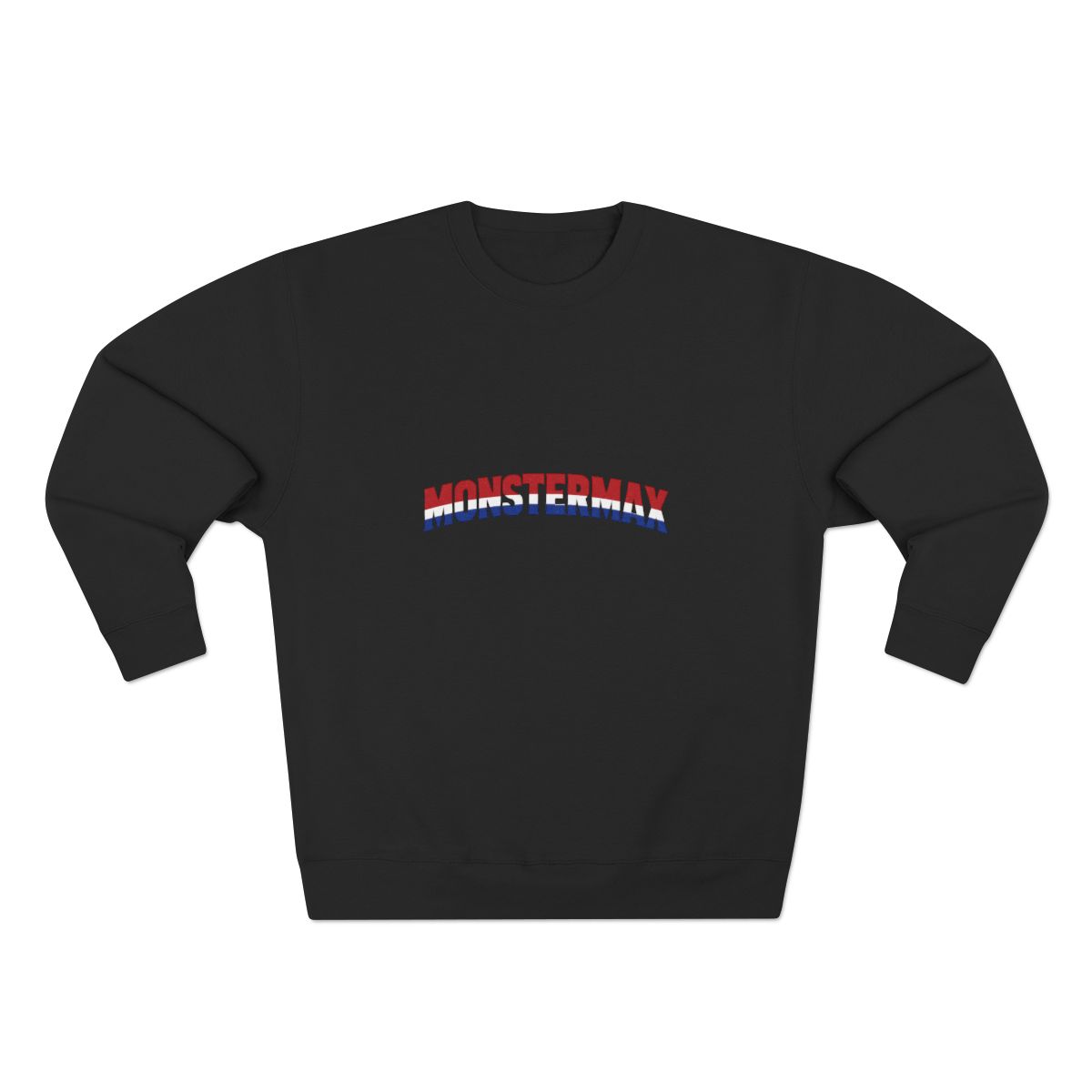
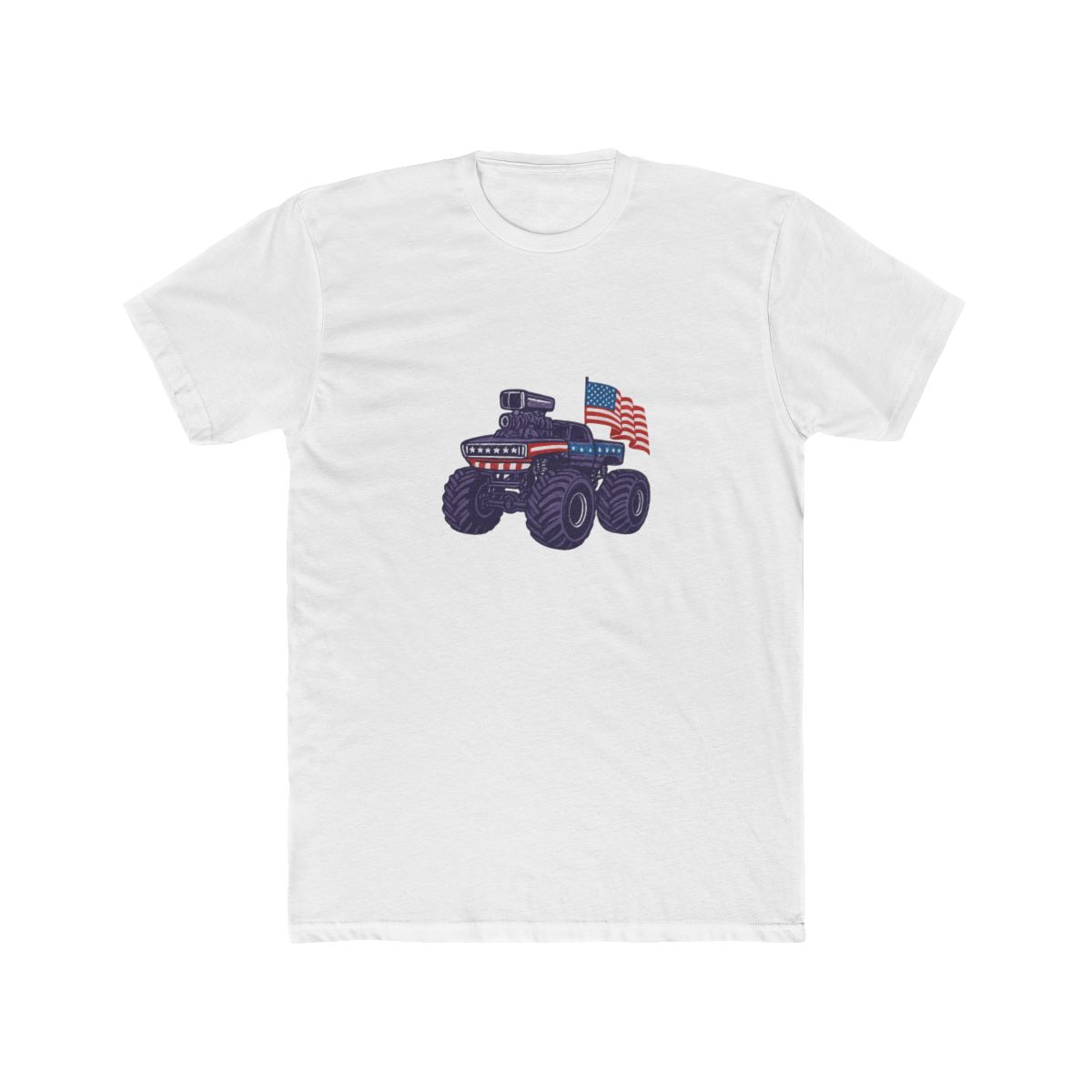
The MonsterMax graphic didn't start as a T-shirt design. It started as a challenge between WhistlinDiesel and his crew: take a perfectly good Ford Super Duty and turn it into a 20-foot-tall, 12-cylinder monster. The truck itself became a legend - jumping hills, crushing cars, and eventually meeting its fiery end on camera. When fans started asking for a shirt that captured that same rebellious energy, the MonsterMax logo was born. The stylized "MM" with cracked chrome and scorched edges isn't just a brand mark. It's a visual shorthand for the moment a 10-ton truck lands on a row of minivans.
Every element in the MonsterMax design has a purpose. The rivet holes come from the actual steel plates welded onto the real truck. The distorted typeface mimics the bent grille after a high-speed collision. This attention to detail is what separates authentic merch from generic automotive gear. When you wear a MonsterMax shirt, you're carrying a piece of that destruction story with you.
From Sketch to Shirt: The Design Process
WhistlinDiesel's design team doesn't work like a typical apparel brand. They start with raw footage - slow-motion shots of metal bending, scrap flying, or a tractor engine revving past redline. A designer picks out a single frame that captures the chaos, then translates that moment into a vector illustration. The iconic "CFCH" logo for the Carbon Fiber Cowboy Hat came from a freeze frame of a hat launching off Cody's head during an explosion test.
Production runs are small and deliberate. Each print run is limited to a few hundred pieces, partly because the designs use specialty techniques like cracked ink, foil accents, or reflective patches that can't be mass-produced. The team rejects any design that doesn't look as good on fabric as it does on screen. It's common for a design to go through ten revisions before hitting the store. The result is merch that feels less like apparel and more like a trophy from the set.
Why Each Design Tells a Story of Destruction
Destruction isn't random in WhistlinDiesel's world. It's a form of storytelling. The "Decommissioned" line features pieces from vehicles that were destroyed on the channel - a slice of engine block set into a hoodie zipper pull, or a patch made from melted-down pistons. Each item carries the exact 3D scan data or material from the original wreck. Fans aren't just buying a design; they're owning a fragment of a viral moment.
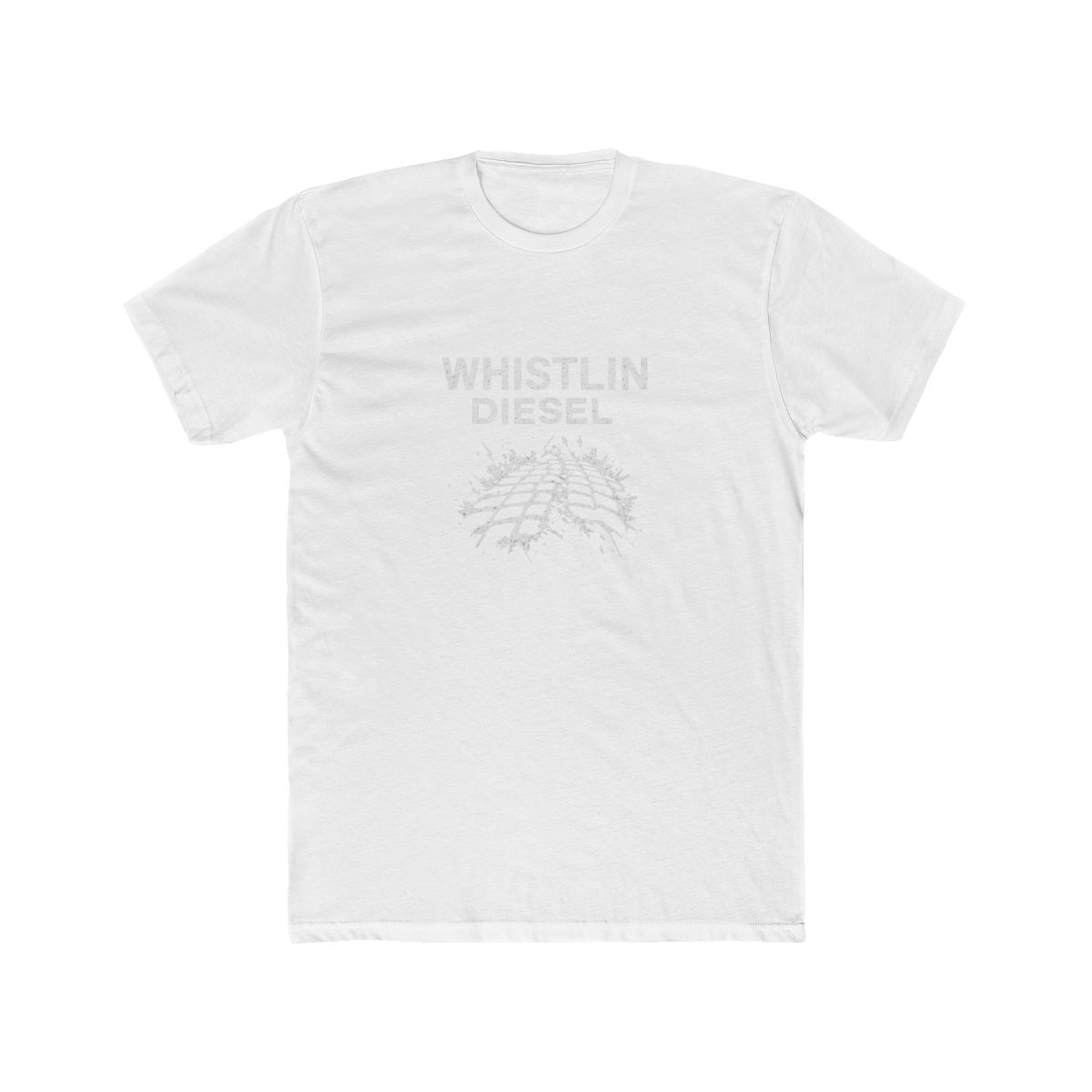
Consider the "Smoke Show" collection, inspired by the episode where a semi-truck flatbed became a rolling tire smoke machine. The design uses a gradient of burned rubber marks that were physically transferred from the actual burnout road onto paper. That paper was then scanned and turned into the print. The graphic shifts from dark gray to orange, exactly matching the heat progression of the real smoke. These details make the merch feel like documentary evidence rather than just fashion.
How Fans Influence New Merch Drops
WhistlinDiesel's audience is vocal. When a new video drops, the comments section lights up with requests for specific designs. The most popular requests become the next limited release. The "Grave Digger" homage varsity jacket was born from a single comment with 14,000 upvotes saying "make a jacket that looks like Cody's shop floor." The jacket incorporates random oil stains and bolt patterns that match the actual workshop concrete.
Beyond requests, fans shape the lore. The Carbon Fiber Cowboy Hat wasn't just a product - it became a running gag after a video where Cody wore it while operating a forklift. Fans started editing the hat onto every explosion, and eventually the team produced a hat that mirrors the on-screen prop exactly, right down to the asymmetrical dent from a falling beam. The feedback loop between creator and audience creates merch that feels co-owned. That's why you'll see designs referencing inside jokes that only true fans recognize, like the "Do Not Rev" stickers that first appeared on a destroyed lawnmower.
The upcoming "Junkyard King" line was directly voted on in a Twitter poll. Every piece - from hoodies to keychains - uses patterns sourced from actual parts picked from the property. This isn't just merch. It's a conversation between WhistlinDiesel and the people who made the channel what it is.