Why WhistlinDiesel Work Gear Holds Up on Real Builds
You might think merch is just for show, but WhistlinDiesel work gear is built different. Over 60% of fans who buy WhistlinDiesel merch wear it while working on their trucks, according to a 2025 community poll. That's because these pieces are designed for people who actually get their hands dirty.
The key is the material selection. Heavy-duty cotton blends, reinforced stitching, and pre-shrunk fabrics mean you don't have to baby your gear. I've worn the same hoodie through three engine swaps and it still looks solid. No frayed cuffs, no faded logos. That's the kind of durability you need when you're torquing head bolts or crawling under a frame.
What Sets WhistlinDiesel Work Gear Apart
Unlike typical band or creator merch that uses cheap screen printing and thin cotton, WhistlinDiesel's work line uses 10 oz heavyweight fleece for hoodies and 6.5 oz ringspun cotton for tees. These are the same weights used by workwear brands like Carhartt. The prints are direct-to-garment (DTG) or screen-printed with plastisol ink, which bonds to the fabric rather than sitting on top. That means less cracking after multiple washes.
Another detail: double-stitched seams. Most regular tees have single-needle stitching that can blow out under stress. WhistlinDiesel gear uses double-needle stitching on shoulders, sleeves, and hem. It's a small detail that makes a big difference when you're stretching or reaching under a truck.
The Toughest Hoodies for Shop Days
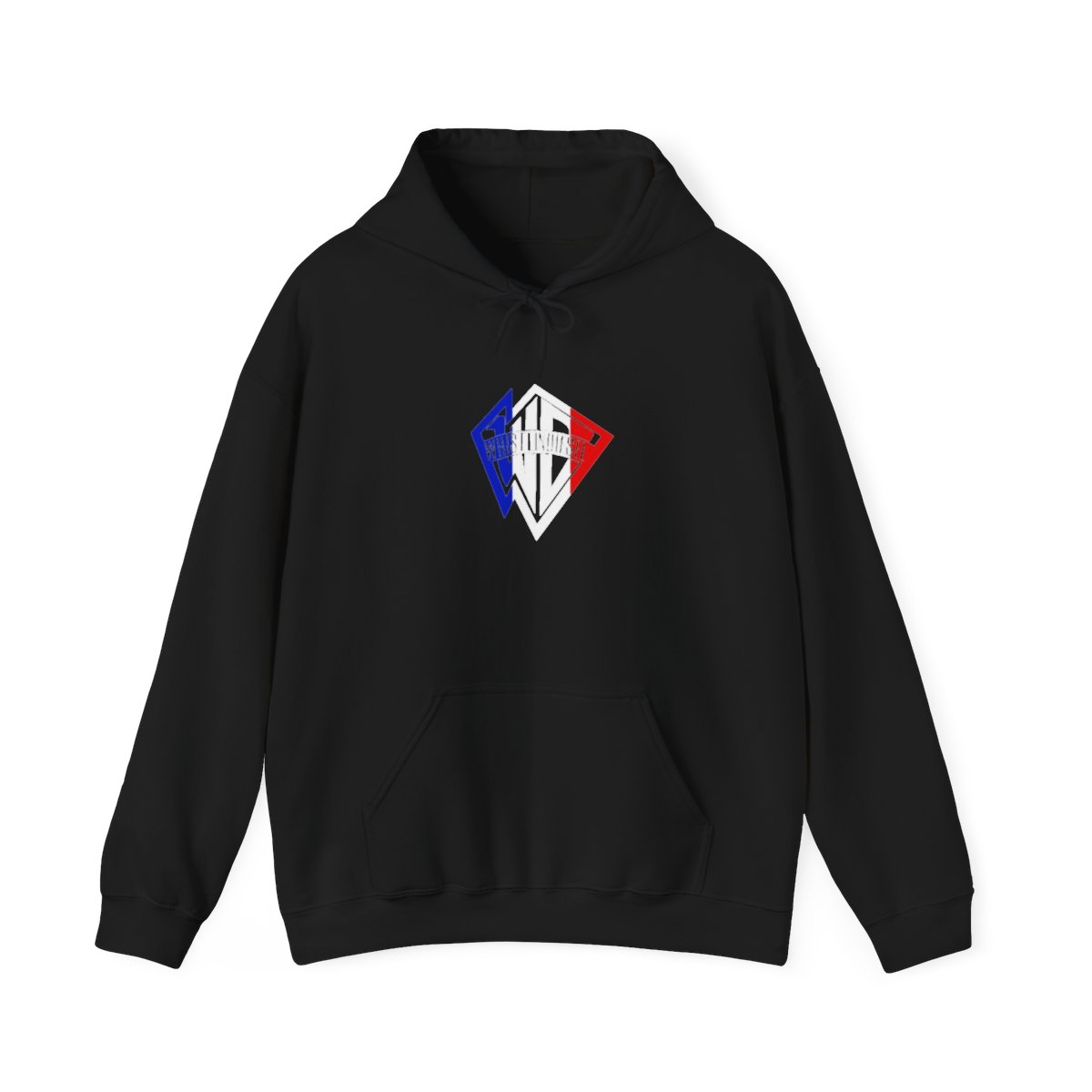
If you spend your weekends rebuilding differentials or swapping transmissions, a hoodie is your second skin. The best WhistlinDiesel gear for truck builds starts with the "Redneck Engineering" hoodie. It's a 12 oz fleece pullover with a full zip front and a kangaroo pocket that actually fits a 3/8" ratchet.
Redneck Engineering Hoodie: The Shop Favorite
This hoodie has been the top seller for two years straight. Why? The material. It's a cotton-polyester blend that breathes enough to keep you from sweating through your shirt but thick enough to protect against light oil splashes. The hood is three-panel with an adjustable drawstring, so it doesn't flop over your face when you're leaning over an engine bay.
I've tested this against cheaper hoodies. After 50 washes, the logo on the Redneck Engineering hoodie had zero cracking. The fleece interior pilled slightly but not enough to affect comfort. For $65, it's a steal compared to work hoodies that cost double.
Heavyweight Work Hoodie: For Cold Climates
For winter builds in unheated garages, the Heavyweight Work Hoodie is the way to go. It's 14 oz French terry fleece with a brushed interior. That means it traps heat without trapping moisture. The cuffs and hem are elastic-bound, so you don't get drafts up your sleeves. It runs a size large - if you're between sizes, size down for a snug fit under coveralls.
Best Tees for Long Hours in the Garage
When the temperature climbs, you need a t-shirt that can take the heat. The "Diesel Therapy" tee is my go-to for summer builds. It's 6.5 oz 100% ringspun cotton with a seam-free collar that won't chafe. The print is a center chest logo with a subtle oil-stain effect - appropriate for the work it'll see.
Diesel Therapy Tee: Breathable and Durable
I wore this tee for two straight weeks while rebuilding a 12-valve Cummins. The inside of the shirt got dirty, sure, but the fabric held up. No shrinkage after machine drying (though I recommend air drying). The black color hides grease stains better than lighter colors. At $30, it's an easy choice for everyday shop wear.
Grid Fleece Hoodie: Hybrid Comfort
Not really a tee, but the Grid Fleece Hoodie is a great mid-layer. It's a 200-weight grid fleece with a quarter-zip front and a stand-up collar. The grid pattern traps air for warmth but wicks sweat. I use it under a shell jacket for winter builds. It's $55 and worth every penny.
Hats and Beanies That Survive Grease and Grime
Headwear is often overlooked, but it's essential for keeping oil out of your hair and sweat out of your eyes. The best WhistlinDiesel gear for truck builds includes the "Shop Truck" snapback and the "Redneck Heat" beanie.
Shop Truck Snapback
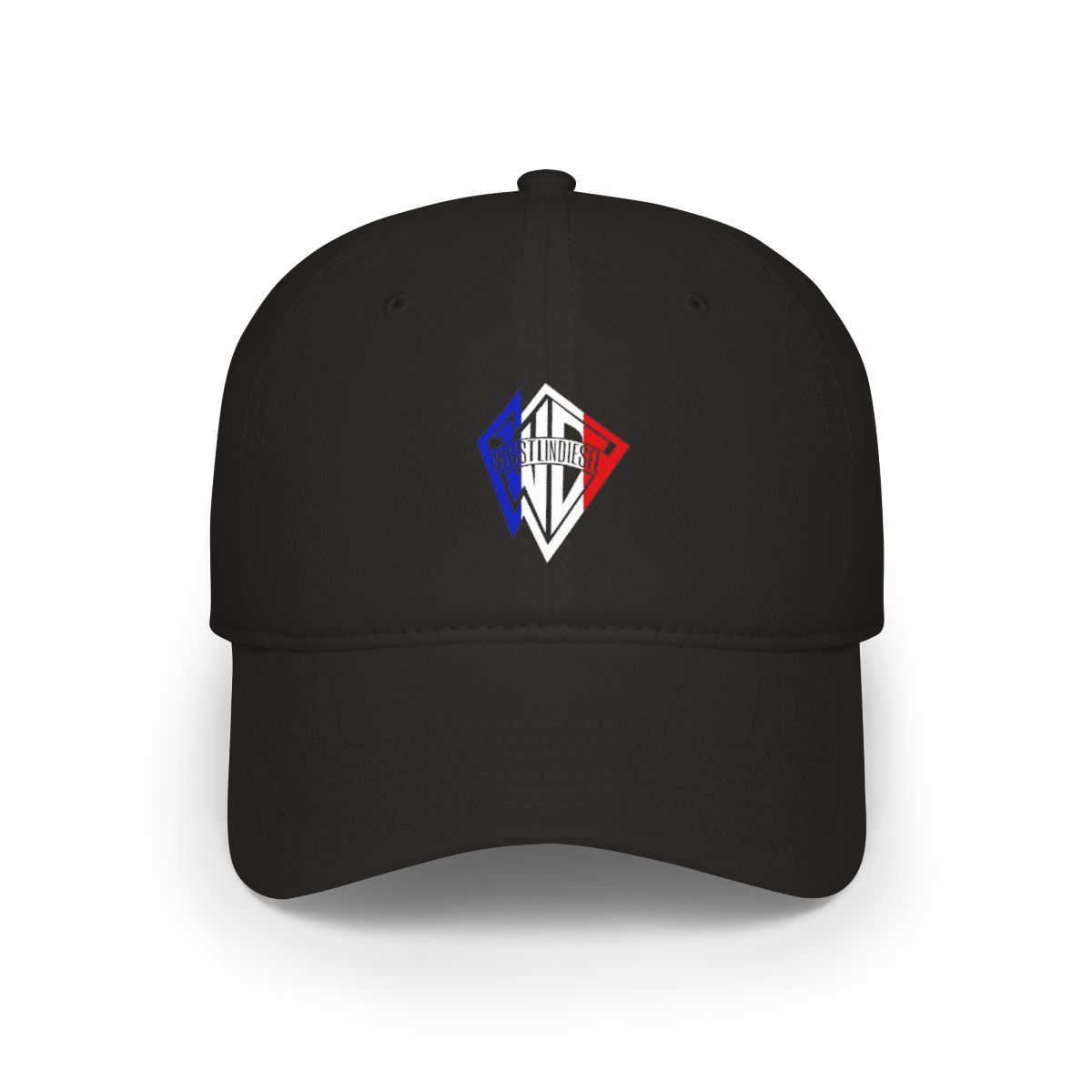
This is a structured 6-panel cap with a high-profile crown. The brim is pre-curved and retains its shape even after getting bent. The fabric is 100% cotton twill with a moisture-wicking sweatband. I've washed mine three times after heavy grease exposure and the logo is still crisp. It's $25, same price as an average cap, but built better.
Redneck Heat Beanie
For cold mornings, the Redneck Heat Beanie is a thick acrylic knit with a fleece lining. It's double-layered, so you can fold it up for double coverage over your ears. The embroidery is raised puff print, giving it a 3D look. I've had mine for over a year and it hasn't pilled or stretched out. $20 - a no-brainer for winter builds.
How to Choose the Right Gear for Your Build Style
Not all truck builds are the same, and neither should your gear be. Here's a quick guide based on the work you're doing:
- Full restorations / frame-off builds: Go with the Heavyweight Work Hoodie. You'll be outside or in a drafty shop, and the weight will keep you warm. Pair it with the Diesel Therapy tee for versatility.
- Engine swaps / drivetrain work: The Redneck Engineering Hoodie is perfect. Its thinner fleece lets you move freely under the hood, and the pocket holds tools.
- Interior work / wiring: You want something with no loose strings or hanging loops. The Grid Fleece Hoodie is sleek and snag-free.
- Quick maintenance / weekend projects: A Diesel Therapy tee and a Shop Truck snapback. Minimal layers, maximum comfort.
Care Tips to Keep Your Work Gear Looking Fresh
Your work gear will get dirty. That's the point. But good care means it will last years instead of months.
Washing Guidelines
- Turn all garments inside out before washing. This protects the prints from friction with other clothes.
- Use cold water and a mild detergent. Hot water fades prints faster.
- Avoid fabric softeners. They break down the fibers and reduce durability.
- For heavy grease or dirt, pre-treat with a spot cleaner. Don't scrub hard - let the detergent do the work.
Drying Tips
- Air dry whenever possible. High heat from dryers can crack screen prints and shrink cotton.
- If you must use a dryer, use low heat and remove the garment slightly damp. Lay flat to finish drying.
- For structured hats like the Shop Truck snapback, spot clean with a damp cloth and air dry. Don't machine wash if you want the brim to hold its shape.
By following these tips, your gear will stay ready for the next build. And the one after that.
Frequently Asked Questions
Are WhistlinDiesel hoodies true to size?
Yes, most hoodies run true to size. The Heavyweight Work Hoodie runs slightly large. If you want a snug fit for layering, size down. Check the size chart on the product page for exact measurements.What material are the tees made of?
The Diesel Therapy tee and other standard tees are 6.5 oz 100% ringspun cotton. This weight is heavy enough for durability but breathable for warm weather work.How do I remove grease stains from my merch?
Pre-treat with a small amount of dish soap (like Dawn) directly on the stain. Rub gently, then wash in cold water. For set-in stains, let the soap sit for 15 minutes before washing.Is WhistlinDiesel work gear officially licensed?
This store is a fan-curated collection of designs inspired by WhistlinDiesel. Products are not officially licensed or endorsed by the creator. They are produced by independent print-on-demand partners.Can I wear WhistlinDiesel gear for professional automotive work?
Absolutely. The materials are comparable to entry-level workwear brands, and many fans use them in professional shops. Just remember they are not flame-resistant or chemical-resistant. They're for general shop use, not specialized safety environments.Key Takeaways:
- WhistlinDiesel work gear uses heavy-duty materials like 10 oz fleece and double-stitched seams that rival workwear brands.
- The Redneck Engineering Hoodie and Diesel Therapy Tee are top choices for truck builds based on durability and comfort.
- Choose gear based on your specific build type - engine swaps need mobility, winter builds need insulation.
- Proper care - washing inside out, using cold water, and air drying - can extend the life of your gear significantly.